Building Corporate Identity through Creative Desktop Wallpaper
Building Corporate Identity through Creative Desktop Wallpaper
Blog Article
In today's rapidly evolving digital environment, software services are pivotal in streamlining business functions and improving efficiency. Spanning a broad spectrum, from cloud solutions to enterprise-grade applications, these services have reshaped the operational capabilities of organizations. By understanding the various aspects of software services, businesses can make more informed choices that utilize technology to its fullest potential. As organizations expand, the demand for effective systems that work harmoniously with existing frameworks increases. Committing to software services allows companies to enhance competitiveness, optimize processes, and elevate client service quality at . Software services refer to the systematic delivery of computer programs and applications that support various business functions. These solutions encompass a broad range of applications, including software as a service (SaaS), desktop applications, and cloud-based platforms. A clear understanding of what encompasses software services can help businesses identify their specific needs and select the right tools. Examples of software services include customer relationship management (CRM) systems, project management tools, and data analytics platforms. These solutions are designed to improve efficiency, streamline workflows, and enhance communication within teams. When businesses utilize the best corporate desktop wallpaper software, it can impact employee morale and foster a more inviting work environment. Every element, from employee productivity to visual aesthetics, matters. If you're interested in corporate desktop wallpaper options for your organization, offers a comprehensive range of choices that combine functionality with pleasing design. The landscape of software services includes various categories that cater to different organizational needs. For instance, enterprise resource planning (ERP) software integrates core business processes in real time, delivering a unified view of business operations. Similarly, artificial intelligence (AI) services enhance decision-making by processing and analyzing huge data sets. Another vital category is cybersecurity services, which protect systems and data from potential breaches and cyber threats. In addition, IT support services ensure that technology issues are swiftly addressed, minimizing downtime and enhancing operational efficiency. By understanding these types of software services, businesses can make informed decisions that align with their strategic goals. Selecting a software services provider is not a decision to take lightly, as it can significantly affect the success of an organization’s operations. Companies must evaluate potential providers based on their industry experience, expertise, and the specific services they offer. Establishing a clear understanding of the business's needs upfront will help narrow down the selection. It is also crucial to assess the provider's reputation. Customer reviews and case studies provide valuable insight into the performance and reliability of service offerings. Reputable providers demonstrate a commitment to customer support, which can foster a positive partnership moving forward. Remember that communication is key; look for providers who are responsive and transparently share information about their services and capabilities. Determining the cost associated with software services can be complex as it varies widely depending on several factors, including the type of services required, implementation complexities, and the size of the organization. For instance, licensing fees for software as a service may be charged per user or based on the features utilized. Other costs may include onboarding expenses, ongoing support, and potential upgrades. Organizations must also consider the opportunity costs associated with software choices. The right service will not only fit into a budget but will also provide the necessary tools to facilitate growth and efficiency. To ensure a successful investment, it's wise to compare different providers and their pricing structures. Investing time in research can lead to better long-term returns, reinforcing the benefits of the selected software service against its cost. Investing in software services requires careful management. Here are some helpful tips to ensure you obtain the most value from your chosen services:Steps to Implementing Software Services
Understanding Software Services
The Different Types of Software Services
Choosing the Right Software Services Provider
The Cost of Software Services
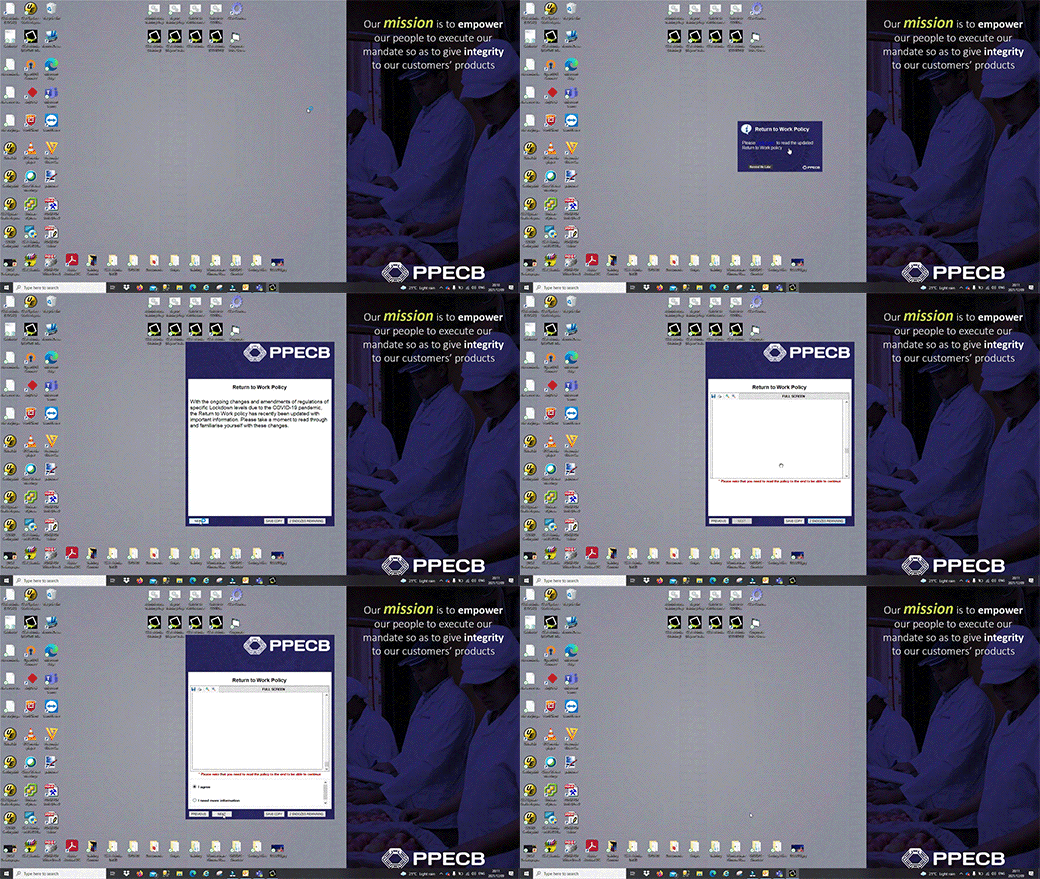 best corporate desktop wallpaper softwarebest corporate desktop wallpaper
Tips for Maximizing Software Services
Software services
Frequently asked questions
What does it mean to use Software services?
Software services refer to the various methods of delivering applications that supply functional solutions designed to address the specific needs of organizations, often coupled with maintenance and support components.
What should I consider when choosing a Software services provider?
To choose a suitable provider, it’s essential to identify your specific needs, investigate different vendors, analyze their service offerings and ongoing support, while also evaluating their market standing and pricing structures.
How much should I expect to spend on Software services?
Costs can vary widely depending on factors like the service type, the number of users, necessary features, and the scope of ongoing maintenance; conducting in-depth research will assist in financial planning.
What are the most popular Software services available?
Some of the most frequently used software services include customer relationship management (CRM), enterprise resource planning (ERP), tools for project management, and services aimed at enhancing cybersecurity.
What are the key benefits of utilizing Software services?
Utilizing software services can yield numerous advantages such as greater operational efficiency, improved management of data, enhanced communication pathways, and greater agility in scaling business efforts.
Are Software services useful for remote work scenarios?
Indeed, numerous software services are explicitly crafted to support remote work, allowing teams to collaborate and communicate effectively, irrespective of their geographic locations.
When evaluating Software services, prioritize clear evidence of outcomes, straightforward reporting, and the compatibility of solutions with your market and timing. Be wary of any vague assurances that lack a structured evaluation method.
Ask about how progress will be monitored, distinguish between what's included and what's merely optional, and how providers plan to adjust their strategies in response to stagnating traffic or performance. Establishing a detailed written scope before making payments is advisable to ensure protection for both parties.
Video
As the marketplace becomes more competitive, organizations can gain strategic benefits by investing in software services. The right software can lead to better team collaboration and more effective data management, resulting in a significant positive transformation in business operations.
Grasping the software services landscape is crucial for making informed decisions, which align tech capabilities with business objectives and set the stage for future growth.